How to Work With an Anion Gap Calculator in Blood Chemistry Results
An anion gap calculator is a helpful diagnostic tool for making sense of blood chemistry results. It helps translate raw blood test values into a clearer picture of acid-base balance, especially when a metabolic disturbance may be present. By comparing measured electrolyte levels such as sodium, chloride, and bicarbonate, the calculator estimates the anion gap value, which can reveal hidden unmeasured anions and guide clinical interpretation.
When used properly, the calculator does more than calculate anion gap. It helps with review of a laboratory result from a basic metabolic panel or a comprehensive metabolic panel, and it can help identify whether the pattern suggests a normal anion gap, high anion gap, or low anion gap state. That distinction matters because it affects how clinicians think about metabolic acidosis, renal function, and the likely cause of an abnormal serum chemistry profile.
How the Anion Gap Is Measured
The anion gap is a computed value that indicates the difference between measured positively charged and negative particles in the blood. In clinical practice, it is mainly calculated from sodium, chloride, and bicarbonate. As routine testing does not measure all ions, the anion difference can indicate the presence of other acids or other charged substances that are not directly reported.
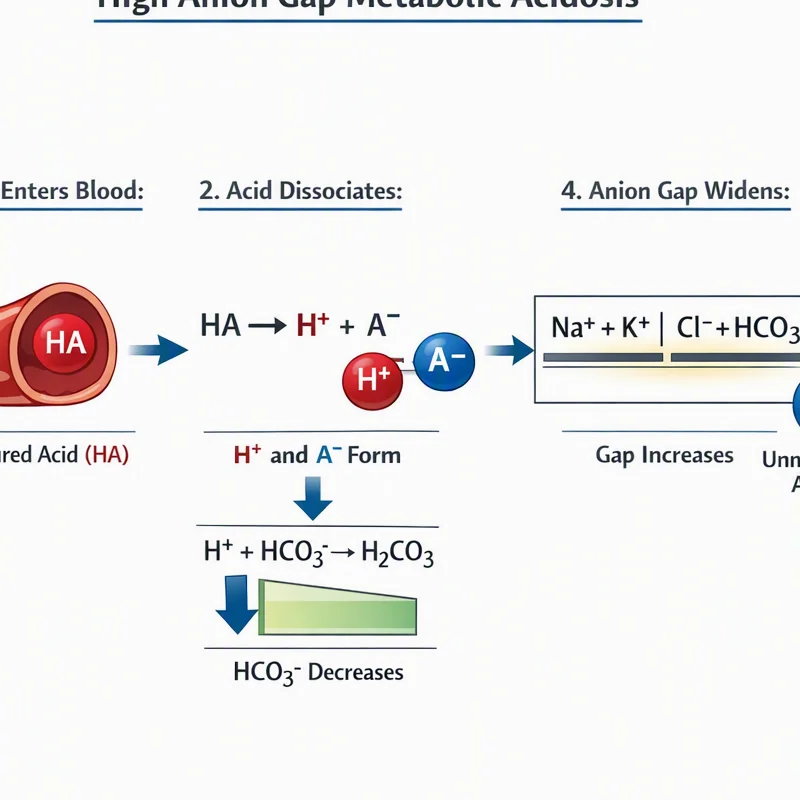
This renders the anion gap useful for understanding acid-base status. If the body retains acids, the measured bicarbonate often decreases while the gap increases, suggesting extra anion concentration from substances such as lactate, ketones, or toxins. In that sense, the number acts as a window into the body’s overall acid-base disorder rather than a standalone diagnosis.
The test is usually interpreted with other parts of blood chemistry, including kidney markers and electrolytes. Since these values are commonly available in a metabolic panel, the anion gap becomes an practical way to identify potential problems quickly.
In What Way the Anion Gap Calculator Functions
The anion gap calculator uses a straightforward equation based on a blood chemistry panel or serum chemistry report. Many calculators ask for sodium, chloride, and bicarbonate, and others also allow entry of potassium or albumin. The result helps determine whether the laboratory result falls within the expected reference interval or suggests a shift in acid-base status.
For most users, the value is simplest to understand as a quick check of the balance between measured cations anion gap in chronic kidney disease and measured anions. If chloride and bicarbonate shift in opposite directions, the gap changes. That pattern can be a clue that the body is responding to a metabolic disturbance or that something else is contributing to the chemistry profile.
In practical terms, the calculator helps clinicians and other readers:
- Review a metabolic panel to assess an unexplained abnormality.
- Spot possible metabolic acidosis when the chemistry pattern is worrisome.
- Compare results over time to see whether the anion gap value is shifting.
- Support clinical interpretation when symptoms and lab findings need to be connected.
Because the tool is based on routine blood test values, it is especially helpful when a quick interpretation is needed before additional testing is ordered.
Anion Gap Formula and Normal Ranges
The traditional anion gap formula can be written as:
Anion gap = Sodium − (Chloride + Bicarbonate)
Some calculations include potassium, but most current approaches leave it out because its contribution is small. Used or omitted, the purpose is still the same: to determine the difference between the major measured ions and detect possible unmeasured anions.
The normal range depends on the method used by the laboratory and whether the value has been adjusted for albumin. Various analyzers and reporting standards can shift the reference interval, so it is important to interpret the number with the actual lab report in mind. What looks borderline in one setting may be normal in another.
It is also important to understand albumin contributes significantly to the anion gap. Because albumin is a negatively charged protein, changes in serum albumin can alter the value even when acid-base physiology is otherwise unchanged. For that reason, many clinicians consider whether to correct for albumin before drawing conclusions.
In general, the key question is not merely whether the number is above or below a textbook range, but whether it fits the rest of the serum chemistry, symptoms, and overall acid-base balance.
Elevated Anion Gap vs Low Anion Gap
A elevated anion gap usually implies that unmeasured acids are found in the blood. This often points toward metabolic acidosis, especially when bicarbonate is decreased. The rise happens because extra acid anions, which are not directly included in the routine calculation, increase the pool of unmeasured anions.
A low anion gap is less common, but it still matters in laboratory interpretation. It may reflect low albumin, analytical issues, unusual protein levels, or other shifts in ion balance. While a low value does not always signal a serious problem, it should not be ignored if it keeps appearing or matches the broader clinical picture.
These patterns help frame the next step in clinical interpretation. A high value often leads the evaluator to think about acid accumulation, while a low value pushes attention toward protein changes, possible measurement issues, or less common causes of electrolyte distortion.
In either case, the anion gap is not a final diagnosis. It is a clue that helps structure the differential diagnosis and focus attention on the most likely causes of the abnormal chemistry pattern.
Frequent Causes of a Elevated Anion Gap
Many issues can increase the anion gap. Of the usual are lactic acidosis, ketoacidosis, kidney failure, and toxic ingestion. Each of these can raise acid burden or limit the body’s ability to eliminate acids, causing a higher anion gap value.
Lactic acidosis can occur when tissues do not receive or consume oxygen efficiently, causing lactate to build up. Ketoacidosis happens when ketones collect, often in settings of insulin deficiency, starvation, or severe illness. Kidney failure can reduce acid excretion, allowing acids to accumulate and altering renal function markers alongside the chemistry profile.
Toxic ingestion is a further important category because certain substances can cause a marked high anion gap. In these cases, the chemistry pattern may be a important early clue, especially if the patient’s symptoms are vague. This is why the calculator is best used as part of broader clinical interpretation rather than as a stand-alone number.
A normal gap does not rule out illness, and an elevated gap does not identify the exact cause. It simply narrows the field by pointing toward a class of disorders that disrupt acid-base status.
How Albumin Levels Affects the Outcome
Albumin plays a substantial effect on the anion gap because it is among the primary negatively charged proteins in the blood. When serum albumin is reduced, the measured gap may seem smaller than expected even if there is still an underlying acid problem. This condition, known as hypoalbuminemia, can hide a true high anion gap state.
That is why many clinicians use albumin correction to estimate a corrected anion gap. The goal is to modify the result so the interpretation better matches the patient’s actual acid-base condition. In other words, the correction helps the calculator better correct for albumin and enhances the value of the result.
This step is especially useful when the raw anion gap seems normal or only somewhat abnormal but the patient’s symptoms suggest a more significant metabolic problem. A low serum albumin level can lower the gap enough to hide clinically relevant changes in blood chemistry.
Because albumin is such a powerful modifier, any reliable interpretation should consider the protein level alongside the electrolyte values. The corrected anion gap is often more informative than the unadjusted number when hypoalbuminemia is present.
When to Recheck or Validate the Value
Not every unusual result means there is a true bodily problem. Sometimes repeat testing is needed to confirm the finding. A isolated odd value may result from testing error, sample handling issues, or transient changes in electrolyte disturbance.
Retesting is especially useful when the value does not fit the patient’s symptoms or the rest of the metabolic panel. If the numbers appear inconsistent, the best next step may be to repeat the blood chemistry analysis and compare it with the broader clinical context.
Examples of situations that may justify confirmation include:
- A value that is surprising for the patient’s condition.
- A sudden change from prior test values.
- A near-normal abnormality without supporting symptoms.
- Concern that the sample may have been affected by collection or processing issues.
Confirming the value helps avoid overinterpreting a single number and supports more reliable medical interpretation.
How Clinicians Evaluate the Value
Clinicians do not read the anion gap in isolation. They combine it with the full acid-base disorder picture, including the ABG, the biochemical panel, and the patient’s overall status. The goal is to decide whether the pattern reflects a true disturbance in acid-base balance and what type of process is most likely responsible.
A high gap with low bicarbonate often supports metabolic acidosis, but the cause still needs to be identified. A normal gap can coexist with illness, especially if the abnormality is due to a different mechanism such as diarrhea, saline-related shifts, or an early process not yet reflected in the chemistry values. A low gap may prompt review of albumin, repeat testing, and consideration of less common explanations.
In this context, the anion gap becomes part of the differential diagnosis. It enables clinicians sort through broad types of disease, determine whether additional testing is needed, and decide whether the issue is primarily metabolic, renal, toxicologic, or related to protein changes.
That is the real-world value of the anion gap calculator: it UAG calculator turns routine blood chemistry data into a systematic interpretation that guides decision-making. The number itself is important, but the pattern around it matters even more.
FAQ About the Anion Gap
What is an anion gap calculator used for?
An anion gap calculator is used to estimate the anion gap from a blood test such as a basic metabolic panel or comprehensive metabolic panel. It is used to evaluate acid-base status, recognize possible metabolic acidosis, and assist with clinical interpretation of blood chemistry results.
What is the normal anion gap range in blood chemistry?
The reference range differs by laboratory method, analyzer, and whether albumin is considered. Because of that, there is not one universal normal range. The best approach is to compare the result with the lab’s own reference interval and the rest of the serum chemistry report.
Why is a high anion gap important?
A high anion gap is important because it often suggests extra acids in the blood, which can indicate metabolic acidosis. Common causes include lactic acidosis, ketoacidosis, kidney failure, and toxic ingestion. It is a clue that more evaluation may be needed.
How does low albumin affect the anion gap?
Low serum albumin can make the anion gap look artificially low. This is why hypoalbuminemia often leads clinicians to use albumin correction and calculate a corrected anion gap. Adjusting for albumin can reveal an underlying abnormality that the uncorrected value hides.
Can a normal anion gap really mean a medical issue?
Yes. A normal anion gap does not rule out illness. Some conditions cause a normal anion gap acid-base problem, and early disease may not yet affect the number much. The result should always be interpreted in the clinical context with other blood test findings and, when needed, additional tests for medical guidance.